
Polymer Issue No. 07 July 24, 2026 8 min read

Notes on plastic & packaging

It solved real problems, then it stopped asking permission

Five notes on where plastic genuinely earns its place, where it snuck in because it was cheap, and what it actually costs to keep using it the way we do.

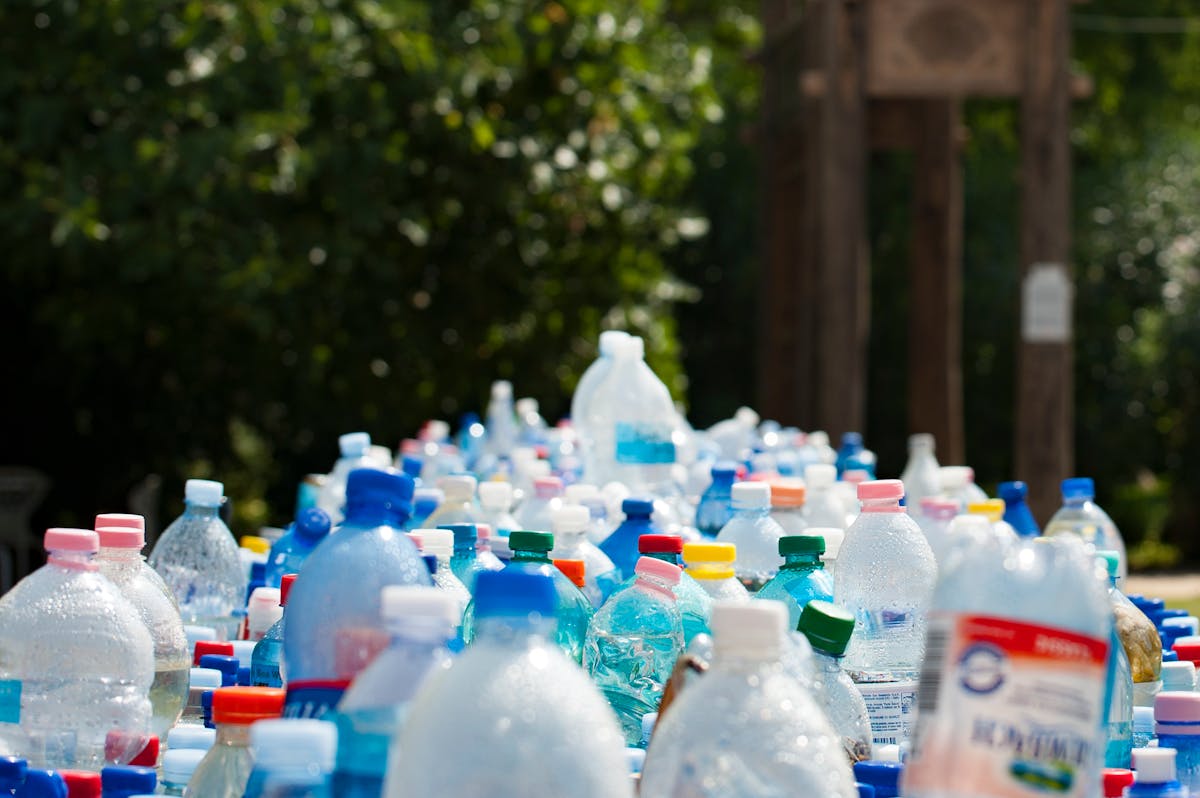
Piles of assorted plastic waste and bottles. fig. i — a material built to outlast its purpose
UtilityWhere plastic still has no real substitute
OverreachWhere it replaced things that worked fine
CostWhat "cheap" leaves out of the price
Medical syringes and sterile plastic packaging.
01

Where it genuinely earns its keep

Strip plastic out of a hospital and medicine reverts a century. Sterile, single-use syringes, IV bags, blood bags, and tubing exist because plastic can be made cheaply, sterilized reliably, and thrown away without the cross-contamination risk of reusable glass and metal. The same is true for lightweight vehicle parts that cut fuel use, insulation that lowers a building's energy load, and prosthetics that would be heavier and pricier in almost any other material.

This is the part of plastic's story that's easy to lose in the backlash: in medicine, safety equipment, and a handful of engineering applications, it isn't a shortcut. It's the best tool available, and pretending otherwise doesn't help the argument for using less of it elsewhere.
Plastic wrapped fresh produce on a supermarket shelf.
02

Where it replaced things that already worked

A cucumber wrapped in film. A single almond in its own tub. A coffee stirrer used for eleven seconds. None of these are solving a problem plastic uniquely solves — they're solving a shelf-life or convenience problem that paper, glass, tin, and simply not individually wrapping food solved for most of the twentieth century, just slightly less cheaply.

Roughly 40% of all plastic made is single-use packaging, and a large share of it exists because it was the lowest-cost option for the manufacturer, not because nothing else could do the job. That distinction — solves a real problem versus was the cheapest available option — is the fault line between plastic's genuine utility and its overreach.

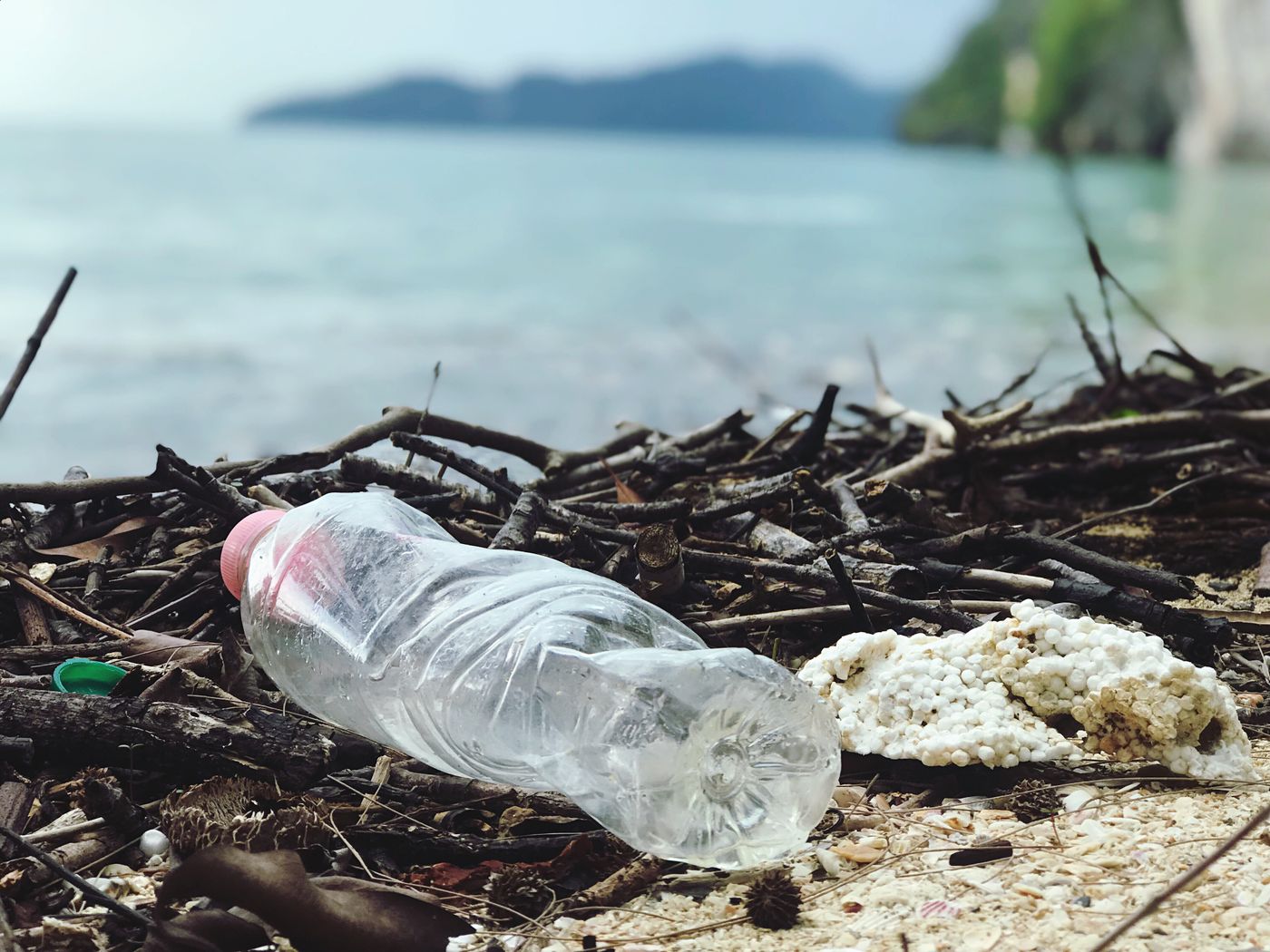
Plastic bottle washed up on a beach shoreline.
03

It doesn't go away, it goes smaller

Plastic doesn't biodegrade the way food or paper does. Sunlight and friction break it into fragments — microplastics — that keep getting smaller without disappearing. Those fragments are now in ocean sediment, in drinking water, in the air over remote mountains, and in human blood, lungs, and placental tissue, according to studies published over the last several years.

The long-term health effects of that exposure are still being studied, but the trajectory is not in dispute: a material designed to be nearly indestructible was mass-produced for things meant to be used once, and that mismatch doesn't resolve on its own.

Sorted bales of plastic at a recycling facility.
04

Recycling was never going to solve this

Only a small share of plastic ever produced has actually been recycled — most of the rest has been landfilled, incinerated, or leaked into the environment. Part of the reason is structural: most municipal programs can only reliably process one or two resin types, plastic degrades in quality each time it's melted down, and mixed or contaminated loads are frequently rejected outright.

The recycling symbol on a container is a resin code, not a guarantee. It tells you what the plastic is, not whether anywhere near you can actually process it — which is why reducing what you buy in the first place does more than sorting it carefully afterward.

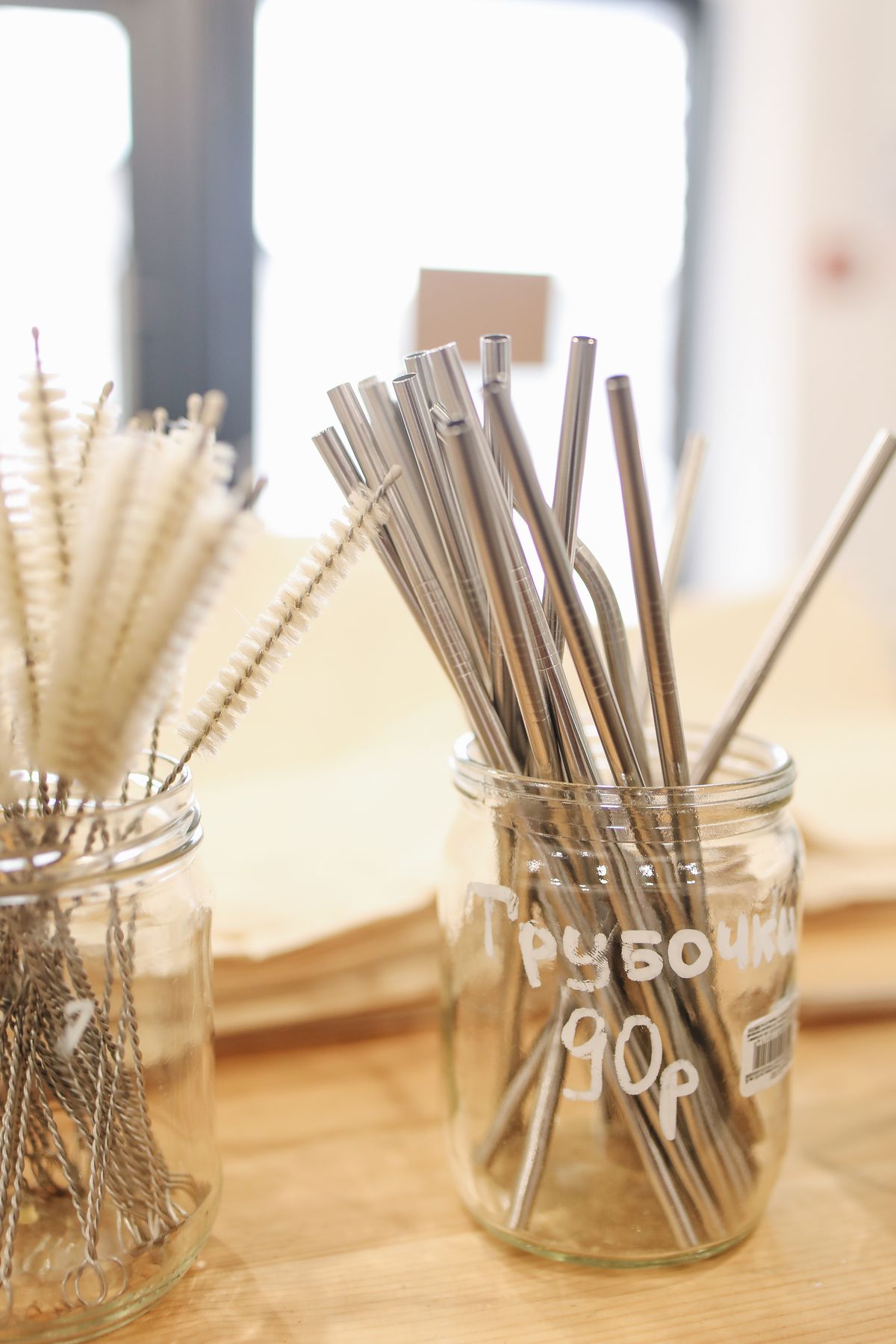
Reusable glass jars and metal containers on a kitchen counter.
05

What cutting back actually looks like

Not zero-plastic — that's not realistic and it's not even where the leverage is. The leverage is in the repeat, low-stakes purchases: a reusable bottle instead of a new one bought weekly, bar soap instead of bottled, bulk bins instead of pre-portioned single servings, glass or metal food storage instead of the disposable kind. None of it requires giving up the applications where plastic genuinely helps.

The households and businesses that meaningfully cut their plastic use tend to do it by targeting the handful of single-use categories that repeat constantly, not by trying to eliminate the material altogether. Fix the leaks, not the whole reservoir.

Global production ~460M tonnes/yr More than double what it was twenty years ago, and still climbing.
Recycled globally ~9% The vast majority of plastic ever made has been landfilled, burned, or lost to the environment.
Decomposition time 450+ years A rough estimate for a plastic bottle — it does not biodegrade, it fragments.
Microplastics found Blood, lungs, placenta Detected in human tissue in studies published since 2018.
Single-use share ~40% Of all plastic produced, used for a matter of minutes and discarded.
Resin code The number 1–7 stamped inside the recycling triangle, identifying the polymer type — not a promise it will actually be recycled.
PET (1) Polyethylene terephthalate — clear, common in bottles and food jars; one of the few plastics with a real recycling stream.
HDPE (2) High-density polyethylene — rigid and durable, used in milk jugs, detergent bottles, and piping.
PVC (3) Polyvinyl chloride — used in pipes and some packaging; releases toxic byproducts when burned.
LDPE (4) Low-density polyethylene — the film in shopping bags and squeeze bottles; rarely accepted by curbside programs.
PP (5) Polypropylene — heat-resistant, used in bottle caps and food containers; increasingly recyclable but inconsistently collected.
PS (6) Polystyrene — foam cups and takeout clamshells; brittle, hard to recycle, and easily fragments into litter.
Microplastic Any plastic particle under 5mm, whether manufactured that small or broken down from larger debris.
Downcycling Turning recycled plastic into a lower-grade product, since most polymers degrade in quality with each melt cycle.
Bioplastic Plastic made partly or fully from plant material — not the same as biodegradable, and often requires industrial composting.